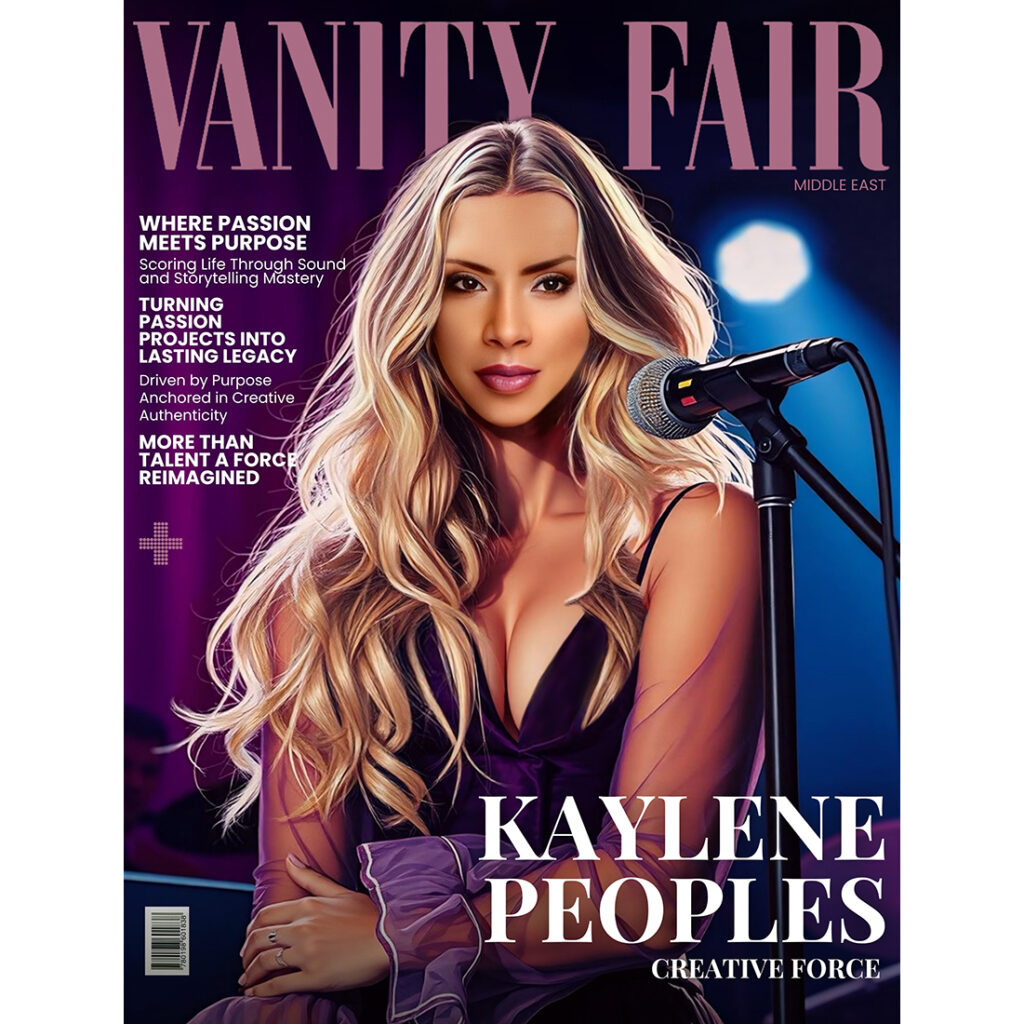
It’s not every day you find yourself on the cover of Vanity Fair—and yet, here I am. I had the honor of being featured in Vanity Fair Middle East, and to say it was a surreal moment would be an understatement. The article is titled “Redefining Artistry Through Music, Publishing, and Unapologetic Vision”—a phrase that truly encapsulates what I’ve been doing my entire career. (Original Source: https://vanityfairme.com/Kaylene-Peoples-Redefining-Artistry-Through-Music-Publishing-and-Unapologetic-Vision)
This feature wasn’t just another profile. It was an opportunity to share my truth—my evolution as a composer, publisher, filmmaker, and woman navigating industries that often underestimate or overlook artists like me. The piece dives into my roots as a classically trained jazz musician and how that foundation opened doors I didn’t even know I could walk through.
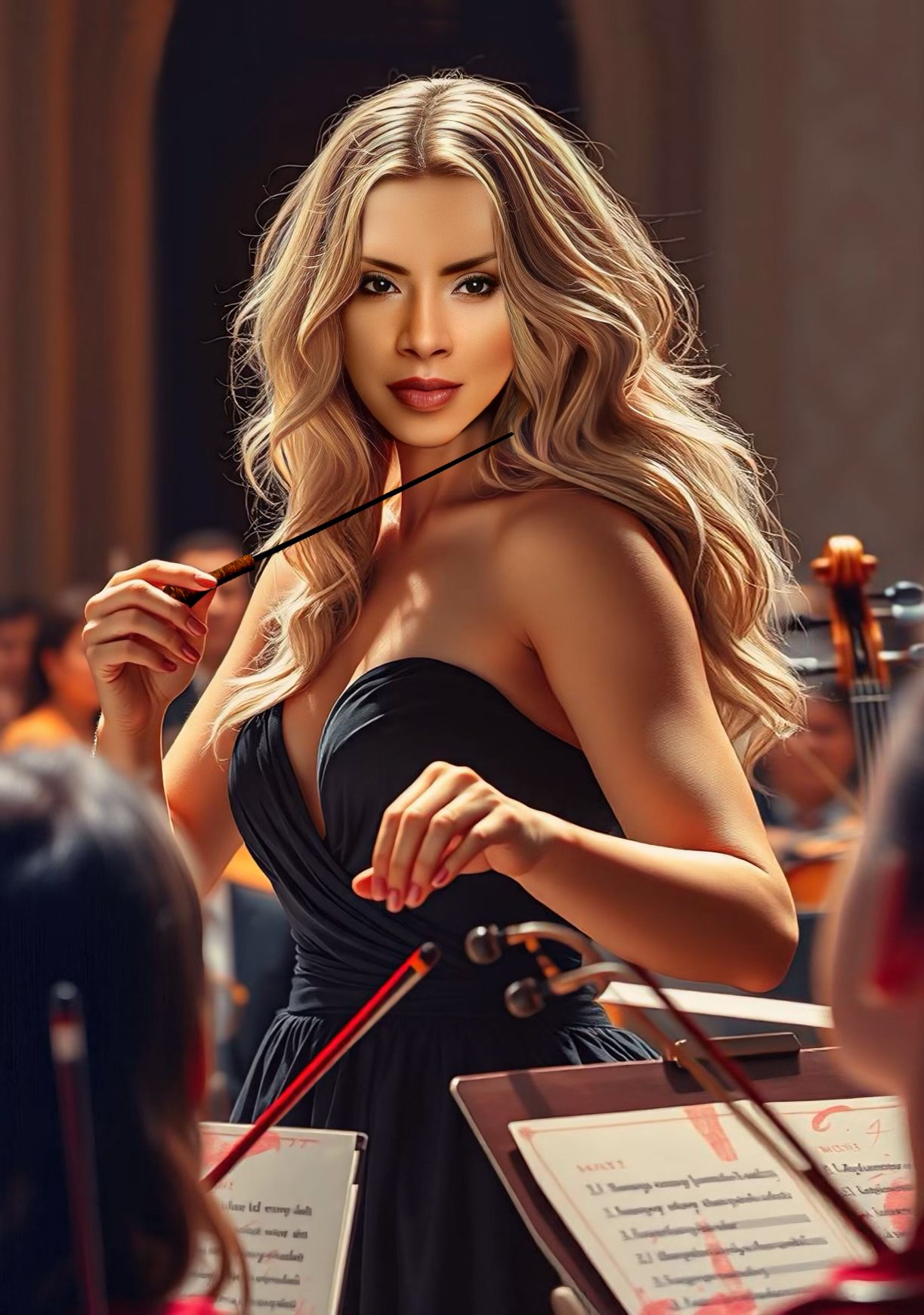
Kaylene Peoples Cover Story – Vanity Fair ME
What stood out to me most about the interview was how much space they gave me to speak candidly. I talked about building KL Publishing Group from scratch, launching niche magazines like Jazz Influencers, AGENDA, Virtuoso Bass, and Schmooze Jazz—publications that exist to give a platform to voices that are too often ignored. I shared what it means to lead as a woman and person of color in spaces where representation still feels like a novelty.
They asked the right questions, and I didn’t hold back.
I also opened up about my work as a film director—how scoring opportunities were scarce, so I created my own. I financed and produced Redemption, my debut feature, which went on to win multiple awards and earned me Best First-Time Director, presented by none other than Arthur Hiller. No one gave me permission—I just did it.
Throughout my career, I’ve learned that being “unapologetic” isn’t about being loud for the sake of it. It’s about refusing to be minimized. It’s about making space where there was none, and elevating others as I climb. I’ve spent years advocating for female instrumentalists, especially in jazz, because I know firsthand what it feels like to be silenced—even when you’re the bandleader.
Being featured by Vanity Fair ME is more than a personal win; it’s a signal that things are shifting. That authenticity, substance, and vision are finally being recognized. And I hope my story inspires other artists to lead with purpose—and to own every chapter of their narrative, even the uncomfortable ones.
To everyone who’s supported my journey—from the readers of my magazines to those who’ve listened to my music or shared my films—thank you. This feature belongs to all of us who dare to create on our own terms.
📖 Read the full Vanity Fair interview here:
Kaylene Peoples: Redefining Artistry Through Music, Publishing, and Unapologetic Vision
Vanity Fair Middle East – Exclusive Interview
In a world that often demands specialization, Kaylene Peoples chose expansion. A virtuoso flutist, award-winning composer, editor-in-chief, filmmaker, and founder of five magazines, she’s carved a singular path—one defined by vision, versatility, and voice. From 3AM jazz improvisations with her father to scoring orchestral works, launching luxury publications, and championing women in music, her journey defies the conventional blueprint of success.
We sat down with the multifaceted artist to explore her early influences, the challenges of print in a digital world, and her mission to amplify voices that have long gone unheard. What follows is a candid, wide-ranging conversation with one of the most dynamic creatives of our time.
- You’ve excelled across music, publishing, and performance. Can you take us back to where this journey began—and what first ignited your passion for creative expression?
I often think back to those spontaneous 3 AM flute jam sessions with my dad—just the two of us, improvising melodies in the living room. It was intimate, uninhibited, and formative in igniting my lifelong passion for music and improvisation. From there, I studied composition under legends like Henry Mancini, David Raksin, and Walter Scharf—mentors who taught me that music is more than just notes; it’s a narrative.
And to think it all began when I was nine years old, struggling to get a sound out of a broken flute. My band teacher told my parents I had no musical talent—only to later discover the instrument itself was faulty. Once I got a working flute, I practiced five hours a day for years, studying the greats: Chick Corea, Herbie Hancock, Hubert Laws, Dave Valentin, Dave Brubeck. Jazz fascinated me. And since I was training as a classical prodigy, I got the best of both worlds.
My parents encouraged me, supported me, and let me soar. That support led to full-ride scholarships from music conservatories, including Juilliard. But I chose my dad’s favorite college—UCLA. There, I continued my flute studies with the late Sheridan Stokes and grew under the guidance of some of the best musicians in the industry.
From that foundation came musical growth spurts: ghostwriting for popular TV shows, scoring independent films, and conducting/arranging string sessions for major record labels’ new artists. I was the “it” girl for a while. And from there, I stepped into an incredible journey—an artist full of creativity and self-expression through music, filmmaking, and storytelling.
And it’s been a wild ride ever since. I still don’t want to get off this rollercoaster.
- From composer and flutist to editor‑in‑chief, your career is remarkably multifaceted. How do you balance these different roles while maintaining a clear artistic vision?
It’s earned me the title of “Renaissance woman,” a label I cherish from Formidable Woman Magazine and Apparel News. But really, each role is just another facet of the same mission—storytelling with depth and intention. My classical training gives me musical rigor; my publishing roles give me a platform-focused vision. I only take on projects that align with my core values: authenticity, representation, and excellence. That’s what keeps the artistic lens sharp across disciplines.
Here’s the truth: as a child, I was always trying new things—from playing with dolls to reading Nancy Drew. I was endlessly curious. My musical talent was recognized early on, and I was called a prodigy. I carried that gift with me, and it naturally spilled into other areas of interest—which, for some people, was a real problem. I often heard, “You do too many things.” How could I possibly be good at any one thing if I was spread so thin?
But the fact is, I was never spread too thin—I was bored if I wasn’t doing something creative. So, I defied public scrutiny. I read books about people who achieved great things. I learned from my dad, an entrepreneur on steroids—there was nothing average about him. And I haven’t slowed down yet.
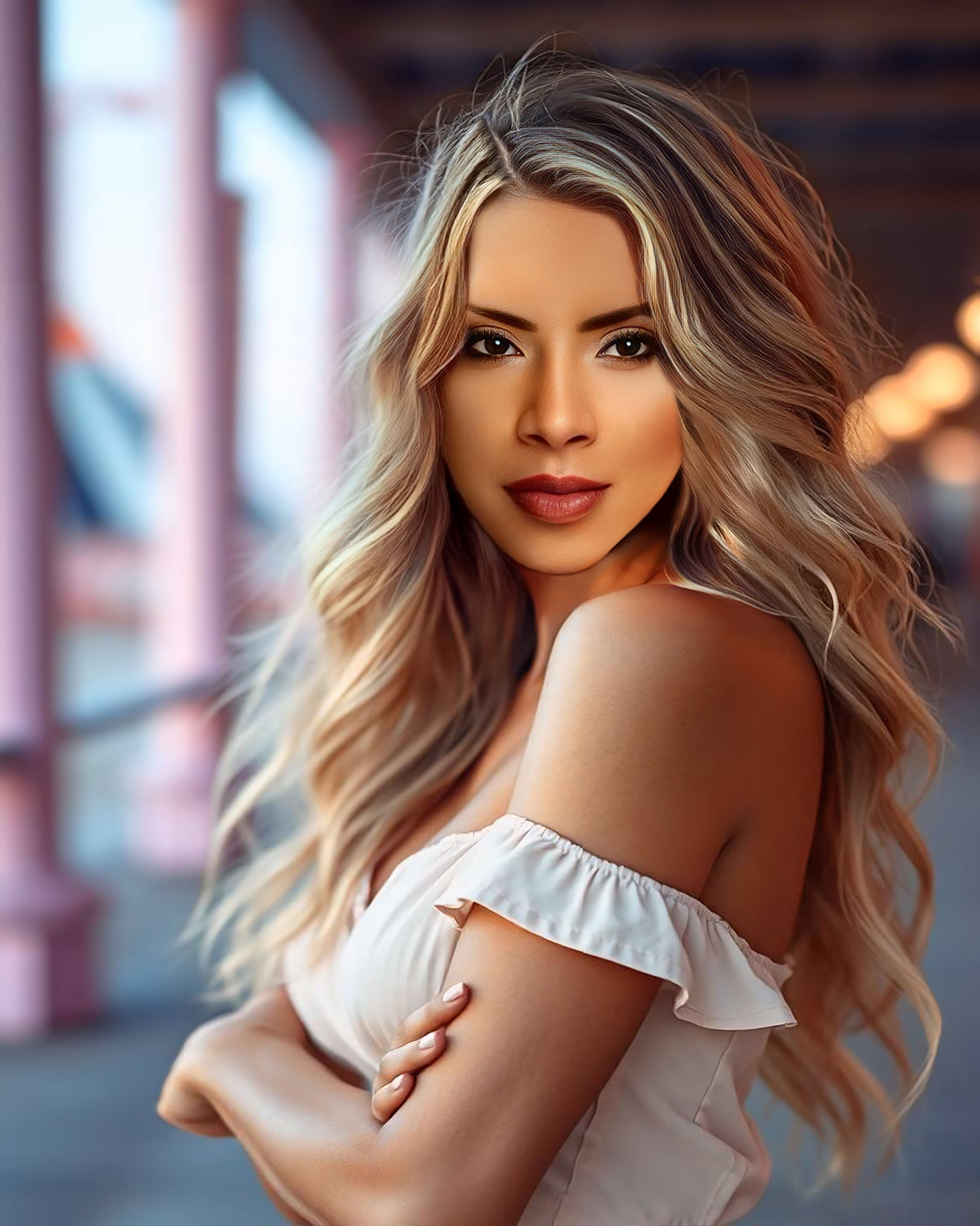
Kaylene Peoples Cover Story – Vanity Fair Middle East (First Take PR Photography)
- Your publications like AGENDA and Jazz Influencers have redefined how underrepresented artists are showcased. What gaps did you see in the media landscape that motivated you to create these platforms?
Through KL Publishing Group, where I currently helm five magazines and counting, it became clear: talent was routinely sidelined—not for lack of artistry, but because it didn’t fit into narrow, commercial molds. I know what it feels like to be overlooked—as a woman in jazz and classical music—and I created these platforms to shift the narrative. They aren’t just showcases; they’re proof that brilliance exists beyond mainstream gatekeeping, especially among women and artists of color. NBC News recently featured my story in LA Lifestyle Magazine and acknowledged how I’ve broken barriers in both jazz and publishing (wfmj.com). That kind of recognition reinforces why platforms like AGENDA and Jazz Influencers matter—because they elevate voices that deserve visibility, not silence.
- Launching a luxury print magazine in a digital‑first era is no small feat. What challenges did you face in bringing your editorial vision to life, and what kept you committed to the print medium?
Launching a luxury print magazine in a digital-first era was both a labor of love and a lesson in perseverance. From the outset, I envisioned AGENDA as more than just another online title—I wanted something tangible, archival, something people could physically hold, revisit, and cherish. But the path to realizing that vision wasn’t easy. I endured over 150 rejections trying to get full-bleed, glossy print layouts accepted—especially through Amazon’s print-on-demand system. I grappled with arcane German layout documentation, learned about typography, the importance of fonts, and everything else that goes into creating a high-end fashion magazine. I taught myself how to finesse print-ready designs and refined every aspect of production from scratch. These were technical and logistical hurdles that nearly derailed the project at every step. Yet what kept me committed was the integrity of the experience. Launching that 232-page glossy in 2014—with breathtaking photography, in-depth features, and beautifully curated fashion and music stories—was proof that print still has purpose. It brought permanence to a fleeting digital landscape—exactly what I intended when I envisioned AGENDA as an enduring time capsule. (Read the article)
This wasn’t about nostalgia—it was a deliberate editorial statement. It was about legacy, craftsmanship, and the tactile connection between reader and editor, creator and audience. That commitment to substance over speed has shaped every subsequent issue and reinforced why print, when done with care, still matters in today’s media world. And after two decades online and ten years in print, AGENDA is finally getting the recognition it deserves. I’ve come to realize that editing is a thankless job. All I ever hear is what’s wrong—not what’s working. You get into a mode of constant scrutiny just to avoid criticism. That’s the plight of a magazine editor. We get really good at precision: clean manuscripts, getting it right.
There have been issues where I lost sleep, holidays—you name it—in an effort to fix a problem in an issue. We’re under a microscope. So I’ve come to believe that editors aren’t made—they’re born. It takes a certain kind of personality to do what we do. The countless hours, all-nighters, blurry eyes, and the occasional brain fog are all worth it when I see that finished magazine on the Amazon bookshelf, available for the world to read. Each issue is like giving birth. AGENDA is an archival time capsule. I wouldn’t be surprised if, centuries from now, it’s something people study.
- As a woman navigating the jazz and classical spaces—often dominated by men—what were some defining moments that shaped your perspective as both a performer and a leader?
I’ve been told to “smile more,” instructed to play smaller—both literally and figuratively. At one point, a male musician corrected my onstage cues during my concert. These were painful erasures, but they became my fuel. They’re a constant reminder that visibility matters—and that leadership is about claiming space and making room for others who’ve been silenced.
Once I stepped into my power, I led with enforcement and learned not to take things so personally. I realized that I was invading an old boys’ club. Men have long dominated the jazz scene. While women vocalists have always been accepted, women musicians are a completely different story. I was reminded of this when I penned the article “Unheard, Unseen, Unbreakable: The Ongoing Struggle of Women in Jazz.” It’s a powerful, introspective essay that exposes the systemic marginalization of women in the jazz world. It outlines how women continue to be sidelined despite their talent, professionalism, and contributions to the art form. From diminished performance opportunities and lack of mentorship to exclusion from press coverage and festival lineups, the piece illustrates how the jazz industry often operates as a “boys’ club,” with women fighting for visibility in spaces that should already include them.
In the article, I draw on both personal experience and broader statistics, citing that only 10–20% of professional jazz musicians in the U.S. are women—a stark contrast to the 80–90% dominated by men. While music schools show slightly higher percentages for female students, many drop off before reaching the professional level. The emotional and professional toll is heavy, with women frequently working twice as hard for half the recognition—often dismissed, talked over, or made to feel like anomalies.
Diana Krall once remarked, “There are things that I’ve experienced where I felt that I wasn’t being taken seriously as a musician, and that’s hard to talk about without sounding like you’re complaining. But it’s real.” Her words echo the sentiment behind my essay—a quiet exhaustion shared by many women who continually have to prove their worth in an industry that questions it by default. (Read the article in Jazz Influencers, Issue 1)
In the classical world, I had written the music for a 10-act ballet titled Apocaliptica. The orchestra’s concertmaster was an elderly man to my twenty-something self. I was conducting the music and overheard him telling the ensemble to ignore my instructions and follow him instead. Needless to say, he and the orchestra were fired—and the show went on without him. The ballet ran for several months at Santa Monica College. I have removed many musicians who questioned my skills, and I’m glad I had the “balls” to do it. From my first professional conducting session at Capitol Records to film scores, symphonies, and countless studio recordings—where I arranged and orchestrated strings not only for other projects but also for my own albums—I’ve learned that you have to be tough as a woman. You cannot be a pushover in this industry.
In 2019, I curated the first international women composers’ competition, sponsored by my company Bella Composers. That’s when I realized that in the world of film scoring and classical music, the female composer demographic is in critical condition. It needed a defibrillator to wake people up and draw attention to women who were literally starving for any semblance of recognition. I’m looking forward to opening those opportunities to the world again—because women do compose. I am living proof.
- Vampire Odyssey was a bold artistic leap, combining orchestral composition with world music. What was your creative process behind this score, and how did it reflect your evolution as a composer?
“I was given the rare chance to score a film before it was edited—a composer’s dream. I recorded it with a 32-piece orchestra and poured everything into the project. But the director passed away, and the film was shelved. Years later, I found the master recording and felt led by God to release it. That score, Vampire Odyssey, ended up winning me the 2024 Olympia Arts Award as Composer of the Year. What once felt like a loss became one of the greatest triumphs of my career. It reminded me that nothing is wasted—and that women composers deserve to be heard.”
— Kaylene Peoples, Vogue Monaco
Vampire Odyssey embodied everything that influenced me: cinematic jazz, orchestral grandeur, and world rhythms—all grounded in story. I wrote for a chamber orchestra while weaving in instruments from European traditions to African rhythmic structures, creating an otherworldly yet emotionally resonant soundscape. It’s not fusion—it’s holistic storytelling through sonic texture. The score represented a natural evolution from my early improvisational roots to fully realized, genre-transcendent world-building.
Having to write based on the director’s desires was a challenge. I wasn’t just creating a score—I was telling a story through the director’s vision via my music. I wasn’t writing for myself but for the evolution of a movie. That process was profound and took me out of my own head. It made me empathic—telling someone else’s story through music. This experience changed my perspective on film scoring. I had to remove self, strip away ego, and shift my way of thinking. I knew there was another person I had to serve—someone I had to convince emotionally and artistically. It made me far more aware of how others would eventually perceive the music. I had to step outside of myself. And I grew from that experience—immensely.
- With so many simultaneous ventures—from new magazines to film production—how do you sustain your creative momentum without compromising depth or originality?
It all circles back to purpose. Every venture I take on must support my mission: amplifying underrepresented voices and nurturing craftsmanship. I’m very intentional about that—each project has to earn its place. It has to align with authenticity, not just ride a trend or chase novelty.
But sustaining creativity also means protecting my downtime. I take long walks, play flute, watch films, read books, and yes—just like everyone else—I scroll on social media. Those simple, ordinary things allow me to escape the pressure and noise. I breathe deeply. I give myself permission to disconnect from the hustle. That’s how I recharge. Sometimes I disappear from it all just to come back sharper, with new ideas and deeper inspiration. The world may idolize speed, but I value substance. And you know what? Sometimes, you really do have to stop and smell the roses.
I’d also like to share an experience that reflects what creative momentum can look like when it’s fueled by purpose. I became an award-winning director with my very first feature film. I had wanted to score a movie, but I wasn’t given the opportunity—so I created one. I came up with an idea for a film, paid for it with credit cards, hired a crew, bought the gear, and wrote the script. It took two years to produce—and only two weeks to score. The film is called Redemption, and it won every film festival I entered it in. Who knew I was a natural-born film director too?
One of the festivals honored me with Best First-Time Director—presented by Arthur Hiller. That was quite the surprise! No score award, but it opened a door I didn’t even know I was good at.
- Looking ahead, what message do you hope your legacy sends to future generations of women in the arts, especially those building careers outside the traditional mold?
I want them to see that they don’t need permission to be extraordinary. They don’t have to shrink to fit expectations—they are the new template. Your unique story, sound, and perspective aren’t liabilities—they’re your superpower. Build your own stage. Shift the narrative. And never dim your light for anyone. If I leave behind a blueprint for unapologetic creativity and empower others to forge original paths—that will be legacy enough.
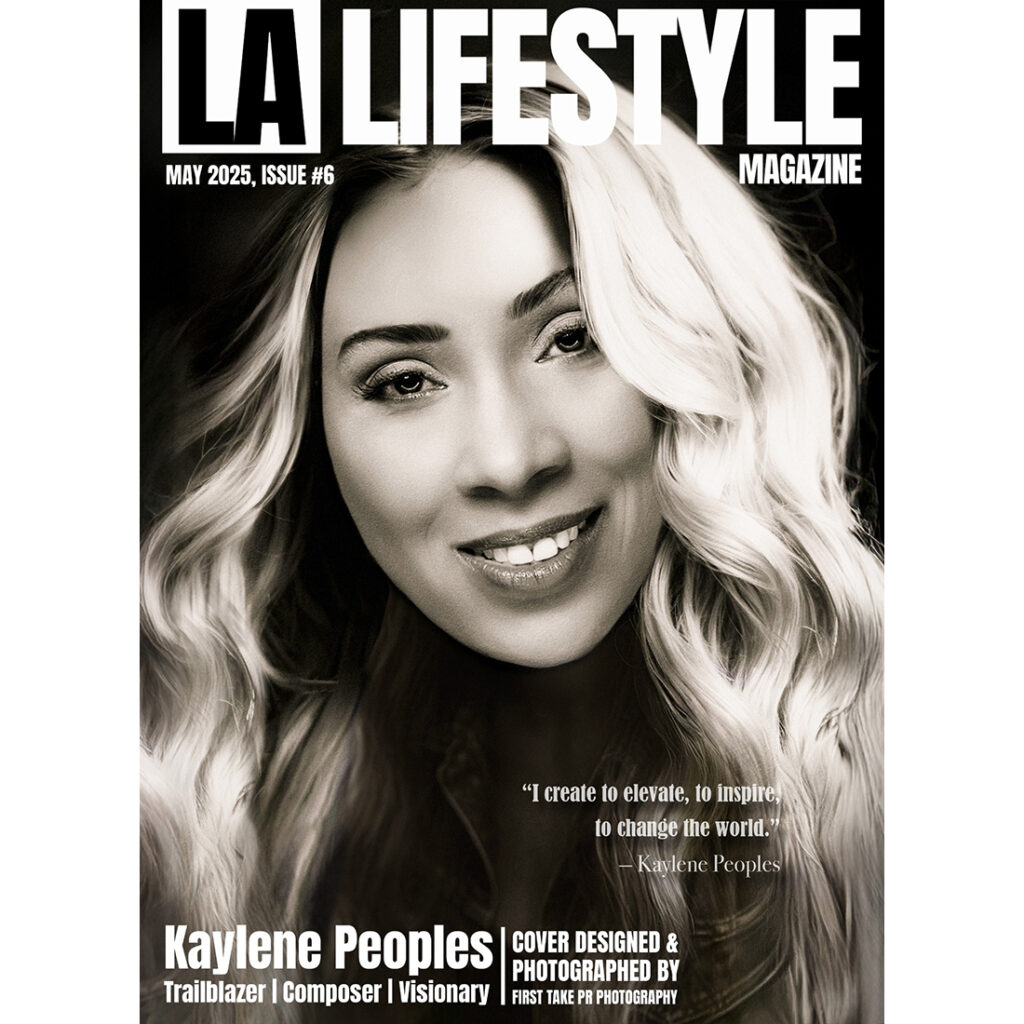
A powerful and intimate Q&A with Kaylene Peoples on breaking barriers in music and publishing. Originally featured in LA Lifestyle Magazine.
“I believe that every artist deserves a platform, regardless of their commercial success or mainstream visibility. I’ve always been drawn to the stories of underrepresented musicians because I see myself in them. I know what it feels like to be overlooked or underestimated, and I want to use my platforms to change that narrative.” –Kaylene Peoples
From classical compositions to cutting-edge jazz, from fashion publishing to live performance, Kaylene Peoples has forged a career defined by creative risk-taking and boundary-breaking. As a multi-award-winning composer, jazz artist, publisher, producer, and director, Peoples has consistently pushed the limits of what’s possible in the worlds of music and media. In this exclusive interview, she reflects on her journey, the challenges of being a woman in jazz, and her mission to elevate underrepresented voices through her groundbreaking publications, including AGENDA, Jazz Influencers, Virtuoso Bass, The Performing Artist, and Schmooze Jazz.
- Kaylene, you’ve been called a true Renaissance Woman — a multi-award-winning composer, jazz artist, publisher, and producer. How did this journey begin, and what continues to inspire you today?
My journey began with a deep love for music, shaped by years of classical training and a passion for jazz. I studied music composition, ethnomusicology, conducting, and my early experiences as a multi-instrumentalist gave me a unique perspective on arranging and orchestration. Over time, I expanded my creative pursuits into publishing, where I found a new way to share my artistic vision. Today, I’m inspired by the artists and creators I work with, the untold stories in the jazz world, and the desire to elevate underrepresented voices through my publications—this is KL Publishing Group’s mission.
- As the founder and editor-in-chief of multiple magazines, including AGENDA, Jazz Influencers, Virtuoso Bass, The Performing Artist, and Schmooze Jazz, what motivated you to create these platforms, and how do they reflect your vision for today’s creative voices?
Each magazine launched, represents a facet of my artistic journey and a response to gaps I observed in the industry. AGENDA began as an online publication, pioneering multimedia content with streamed runway shows and documentary-style interviews—ahead of its time and the first of its kind, mostly focusing on designers. Transitioning to print in 2014 was a formidable challenge; it took six months of persistence to navigate the approval process with Amazon’s publishing platform, which was not designed for magazines at the time. I even had to translate a German document to meet their specifications. Despite setbacks, including an initial print edition that didn’t meet my standards, I was determined to produce a high-quality, 232-page glossy magazine that combined fashion, lifestyle, and culture. (The AGENDA Story) & (Feedspot.com’s Top 5 Print & Online Magazine in Los Angeles.)
This experience taught me the importance of perseverance and innovation. Similarly, Virtuoso Bass was created to spotlight jazz bassists and their unique contribution to the genre, and Jazz Influencers aims to bridge the gap between jazz legends and NextGen artists, offering fresh perspectives and practical insights for today’s musicians. Through these platforms, I strive to amplify diverse voices and provide content that resonates with both industry professionals and enthusiasts.
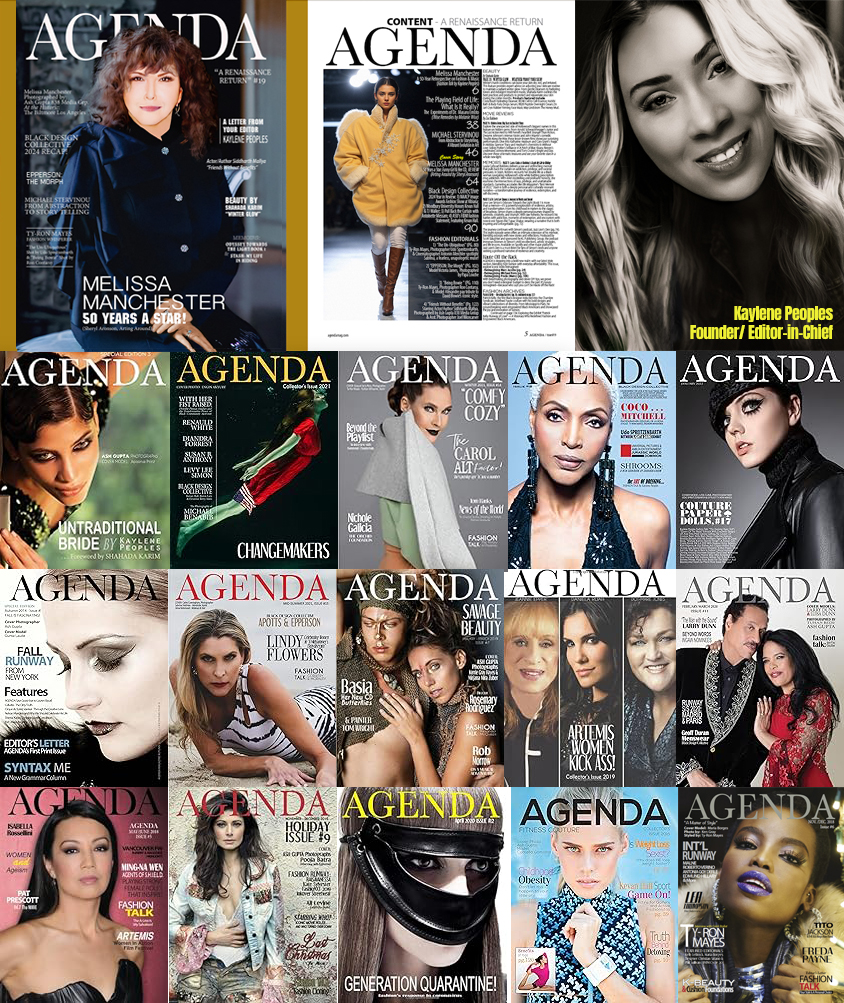 (Above: A curated collage of AGENDA covers showcasing powerful storytelling, timeless design, and award-winning editorial excellence. Recently ranked as one of Feedspot’s Top 5 Magazines for 2025, AGENDA continues to set the standard in fashion, culture, and creative publishing.)
- You recently launched Jazz Influencers, which has been getting a lot of buzz. It got “#1 Best New Publication” in its category on Amazon the first day it published, as well as #1 Best-seller in a jazz-related category. What sets this magazine apart from others, and what inspired its creation?
Each magazine created reflects a different facet of my artistic interests and/or experiences. AGENDA began as a high-fashion, luxury lifestyle magazine, while Virtuoso Bass, curated by Bunny Brunel—its Editor-at-Large—was born out of the legendary bassist’s respect for the often-overlooked contributions of highly skilled, pioneering bass players mostly in jazz fusion and straight-ahead.
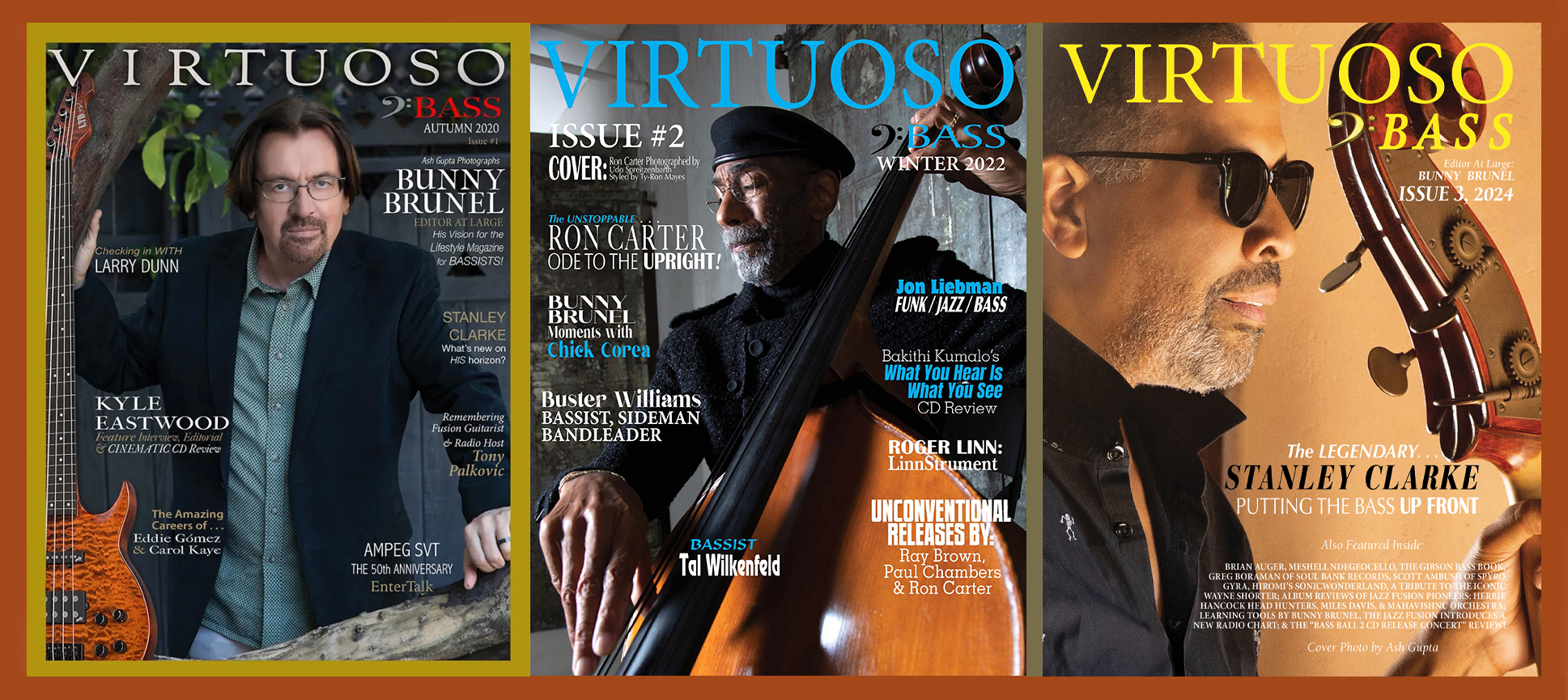 (Above: Virtuoso Bass Magazines Issues 1, 2, & 3; Cover Stories – Issue 1: Bunny Brunel, Editor at Large; Issue 2: Bassist Ron Carter; & Issue 3: Bassist Stanley Clarke (Bunny Brunel & Stanley Clarke Photographed by Ash Gupta 838 Media Group; Ron Carter was styled by Ty-Ron Mayes & Photographed by Udo Spreitzenbarth)
Schmooze Jazz is a tribute to the innovators in the contemporary jazz genre and related styles (including Neo Soul, R&B, Latin, etc.), and The Performing Artist is a celebration of all (expressive) performance art which focuses on theatre, actors, dance, playwriting, podcast hosts, comedians, authors, modern/traditional composers, and musicians.
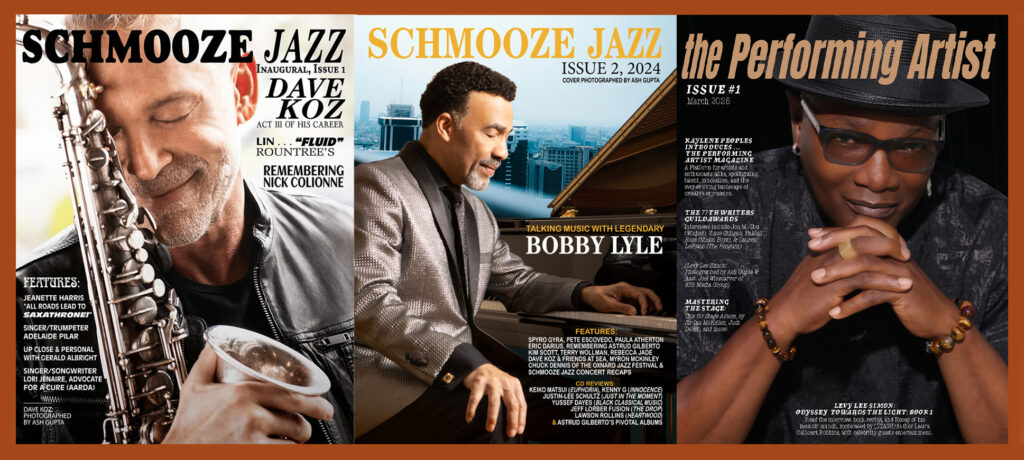 (Above: Schmooze Jazz Issues 1&2 with cover stories – Dave Koz, and Bobby Lyle (Issue #2 was “Best New Publication” on Amazon”); and The Performing Artist Issue #1 with cover story – Levy Lee Simon (All Photos by Ash Gupta 838 Media Group & Asst. Photographer Joel Wicecarver)
Jazz Influencers is KL Publishing Group’s latest launch, a magazine that breaks the mold by spotlighting the next generation of jazz creators alongside the legends, offering a fresh take on a genre that is often boxed in by tradition.
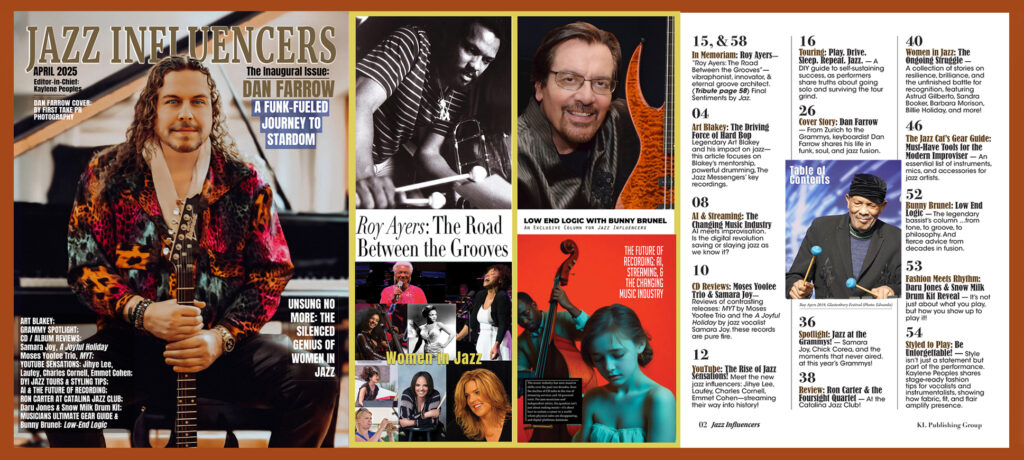 (Above: Jazz Influencers Issue 1 (l-r) Grammy-winning keyboardist/guitarist Dan Farrow on the Cover; features include a tribute to Roy Ayers; Bunny Brunel’s “Low End Logic” column; Women in Jazz; Ai Recording & Streaming; & full table of contents.)
- In a field dominated by men, you’ve broken barriers as both a jazz artist and a publisher. What challenges have you faced, and how have those experiences shaped your perspective?
Being a woman in jazz has meant facing double standards and occasional outright discrimination. I’ve had to fight to be heard, both on stage and in the boardroom, and I’ve often been underestimated despite my credentials. These challenges have only made me more determined to create platforms where voices like mine can thrive, and to push back against the narratives that limit what women in this industry can achieve.
- Your discography spans everything from cinematic jazz to Bossa-nova to holiday classics. Which of your albums or recordings stand out as defining moments in your career—and what do they reveal about your growth as an artist?
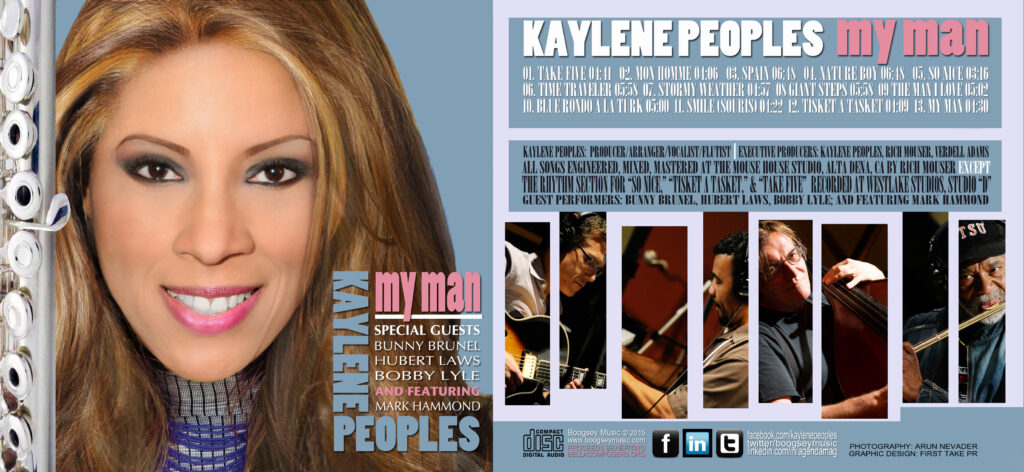
That’s a great question—because each album represents a different chapter in my journey. My Man was a huge turning point for me creatively—it’s probably the album I’m most proud of. It features the legendary Bunny Brunel, Bobby Lyle, and Hubert Laws on my award-winning single “Giant Steps.” And Grammy-winning guitarist Mark Hammond is featured on every track! The lineup I have on this album is mind-blowing, with a staggering number of collaborators: Del Atkins, Vernell Brown, Jr., Cory Mason, and countless other musicians, engineers, and guest artists. It is inspired by Barbra Streisand’s closing performance in the film Funny Girl, where she sings “My Man.”
That performance is what made me want to become a singer. I do “Mon Homme” (the French version of the song) and close out the album with my unique arrangement of “My Man,” the title track. Other highlights from that album are “Take 5,” “Blue Rondo a la Turk,” “Nature Boy,” “So Nice,” and “Spain.” Pianist Bobby Lyle composed a song for my album called “Time Traveler,” which is a favorite on streaming platforms and playlists. My Man was on the ballot for the Grammys. I documented every session and plan to one day produce the documentary the making of that career-changing album.
My EP Carol of the Bells let me tap into my Sergio Mendes influence and blend jazz with cinematic holiday magic in a way that really resonated; it is on iHeartRadio.
Another iHeartRadio album is Romantic Bossa-Nova, which is truly embraced in South America. It connected across borders and genres, and that felt like a real breakthrough. My single “Corcovado,” featuring Bunny Brunel, is still in rotation and has expanded to many countries around the world. This project won Album of the Week on Smooth.FM Portugal (also broadcasting to Canada and Brazil)—Romantic Bossa-Nova is still gaining traction.
Even my earlier work, All Jazzed Up!, had its moments. That album’s single, “Do You Remember,” topped several independent charts, and “One Note Samba” is still one of my most popular songs to this day. And vocally, I hit five octaves on “Wives and Lovers”—just as I did on My Man with my performance of “Stormy Weather.” Every project pushed me, but those albums in particular, showed me what I was capable of—and they laid the groundwork for everything I’ve done since.
(My entire discography can be found on Pandora, as well as Spotify, and other premium, streaming platforms.)
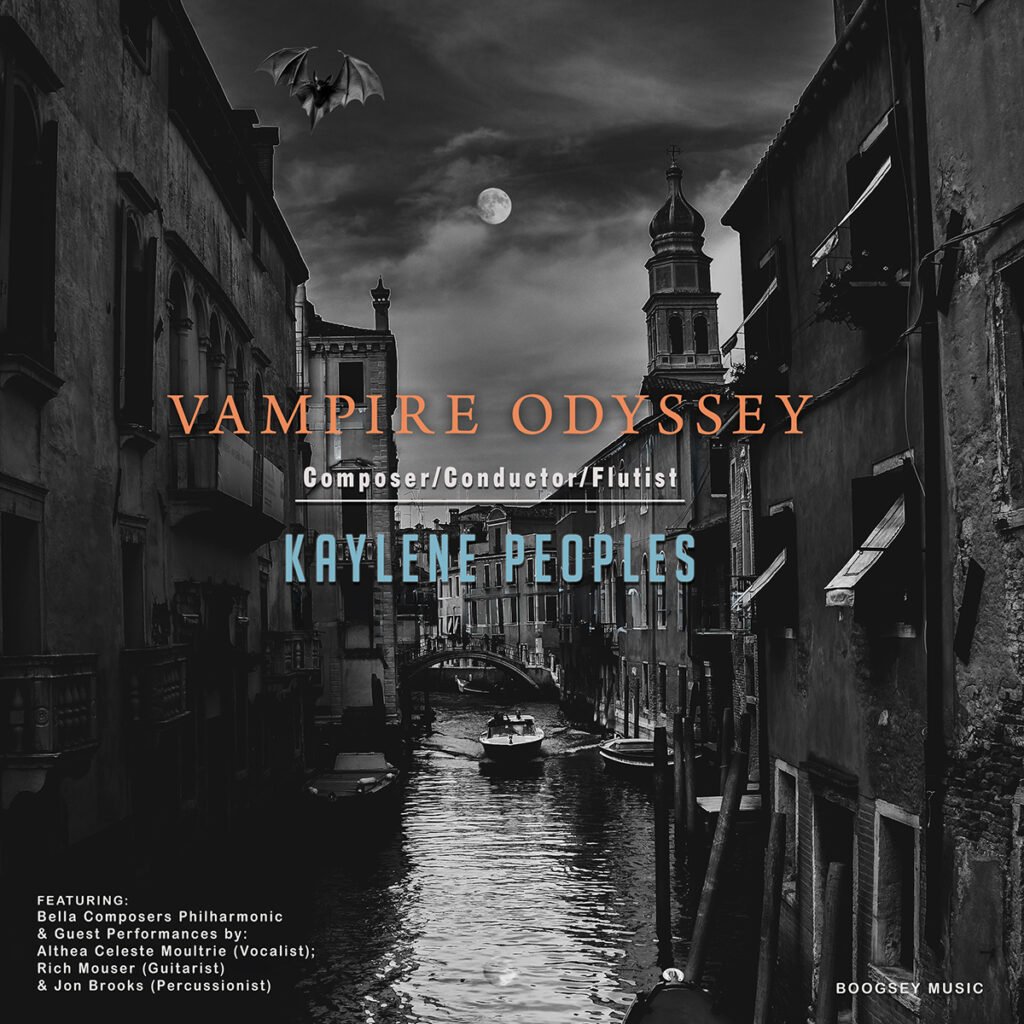
This last project, released in July 2024, titled Vampire Odyssey, has a special meaning. It was my first real score where I conducted an orchestra (and was featured on flute). It encompassed my training as a neoclassical composer and incorporated world music elements. Last November, I was awarded Composer of the Year (& a Multi-Genre in Musical Excellence Award) by the 2024 Olympia Arts Awards for that release. Being a female composer, that award meant so much to me. So I just had to mention it. It’s not jazz, but it shows my range. (Visit Spotify for the complete Soundtrack. Also Available on Pandora.)
- Your career spans multiple disciplines — from classical composition to fashion publishing to directing. What is the common thread that ties all of your creative pursuits together?
At the heart of everything I do is a commitment to storytelling. Whether I’m writing a piece of orchestral music, producing a jazz album, or publishing a magazine, I’m always looking to tell a story that resonates on a deep, emotional level. I believe that all great art, whether visual, musical, or written, has the power to move people and change perspectives.
- You’ve worked alongside some of the most respected names in music. Who have been your most influential collaborators, and what have you learned from those relationships?
I’ve been fortunate to work with so many legendary musicians, but the ones who made the most impact are Bunny Brunel, Hubert Laws, and Larry Dunn. Bunny Brunel blew my mind when I first hired him to play on my album My Man. His precision and level of playing bass was the best I’d witnessed. He filled in the spaces of my track “Nature Boy” with harmonics created off the bass strings (a technique he invented). Mind you, he was playing an acoustic bass. It changed the song! He knows how to really impress with his virtuosity, but always laid back and locked in with the drummer. He never steps on other musicians but instead complements their performances. But the thing that really stuck out about him is his soloing chops. I can honestly say, I have never seen a bassist solo at that level with such precision, feel, and accuracy. And mind you, that was on an upright. Then when I heard his music as a fretless player, I instantly fell in love with jazz-fusion. He brought melody to it, and power. His playing and his compositions are monstrous. I can see why he’s called a “Fusion Giant.”
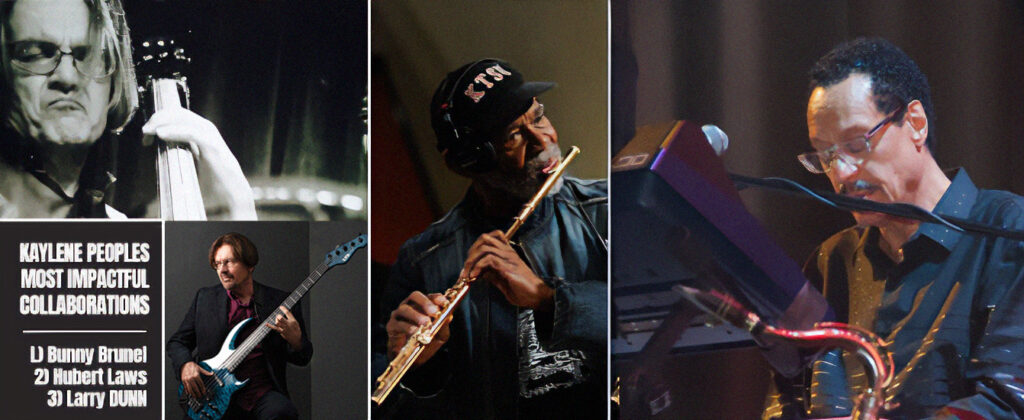
(Above l-r: Bunny Brunel, photographed by Ilán Terrell (top) and Ash Gupta (bottom); Hubert Laws recording flute on “Giant Steps,” photographed by Arun Nevada; Larry Dunn, photographed by Sheryl Aronson.)
Hubert Laws is a flutist I followed as part of my musical journey—one of the reasons I play flute. Him playing on my album (he’s guest performing in my award-winning song “Giant Steps”). It was as if I came full circle with one of my most influential flute mentors.
Finally, Larry Dunn is the original keyboardist from Earth, Wind, & Fire. We played on a few recordings, as well as performed a few times together. His chordal creations are complex, yet land with the effect of simplicity. There’s something genius about that. You’d better have a big toolkit to pull from to create something of that level.
All these players I mentioned inspired me. They are iconic, and I feel so blessed to have collaborated with each one. They have contributed to my growth as a musician from discovering Hubert Laws as a child and memorizing his solos to expanding my mind with Bunny Brunel’s fusion genius to thinking outside the box with Larry Dunn’s treatment of chords. These collaborations have taught me the importance of creative risk-taking, the power of collaboration, and the need for authenticity when creating jazz in all its forms.
- As an artist, publisher, and entrepreneur, you’ve built a significant legacy. What are you most proud of in your career so far?
I’m proud of the artists I’ve been able to spotlight, the voices I’ve amplified, and the audiences I’ve reached. Creating these magazines, producing albums, and performing on stages around the world have all been highlights, but the true measure of my success is the impact my work has had on others.
- You’ve launched multiple magazines in just the past year, including The Performing Artist and Jazz Influencers. How do you manage such a high volume of creative work without losing your artistic edge?
It may look like I’m just popping out publications, but I’ve held onto these titles for many years—I was merely waiting for the right time to launch them. I admit, this year has been busy. And I still have a few more to launch before 2026. One of them being Bella Composers—a burgeoning female composer’s platform that got cut down by Covid during its stride. The daunting part is creating the design and focus. I don’t want to be a copycat publisher. I want to put out underrepresented content, solve problems, and guide people toward their goals. I am a veteran publisher, and I have seen a lot of content that is oversaturated. I just wanted to have a fresh perspective and touch another demographic of readers. As far as my artistic edge, it’s really about finding balance and staying connected to my original inspiration. I never lose sight of why I started creating in the first place. I also surround myself with talented, passionate people who push me to keep innovating and expanding my creative vision.
- What’s next for Kaylene Peoples? Any new projects, albums, or creative ventures you can share with us?
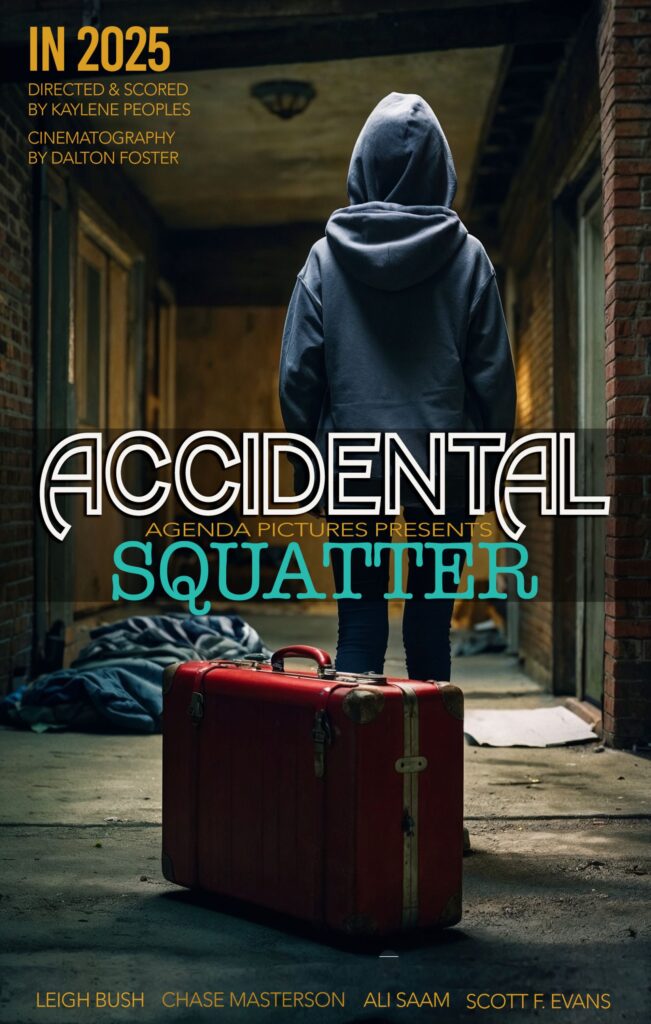
I’m currently working on several new publications, expanding my media presence, and exploring new musical collaborations. I’m also passionate about mentoring the next generation of artists and helping them navigate the ever-changing landscape of the music industry. In recent interviews I talked about album projects that are still in production. Hoping to complete both projects by fall of this year: Romantic Bossa-Nova 2 and Doppleganger, a spy jazz/lounge experimental album with a hint of fusion; I may even be able to squeeze in a holiday EP! I produced a variety show (Kaylene & Friends Christmas), with comedian/TV writer Kevin Foster (Monogamy), Hammond Chamberlain (Beyond the Playlist), and a feature film called Accidental Squatter. Both projects star Chase Masterson (Star Trek: Deep Space 9). A suspense thriller, Accidental Squatter introduces actress Leigh Bush, co-starring Masterson and Ali Saam (Argo) with actor Scott F. Evans and Devino Tricoche. I also produced and directed a limited series talk show titled Inside A Life, hosted by award-winning journalist Sheryl Aronson which is also scheduled for a fall release. Beyond that, mentoring the next generation of artists is becoming a big part of my mission. This really just touches the surface. I’m always working on something!
- Finally, for those just discovering you through this feature, how would you describe your artistic mission and the legacy you hope to leave?
My mission is to create, elevate, and inspire. I want to leave a legacy that reflects my passion for journalism, storytelling, my respect for the craft, and my belief in the power of artistic expression to change the world. I am hoping what my publishing company (KL Publishing Group) is doing will inspire other publications to do the same—start looking outside the obvious box and bring new ideas, new talent, and those who are doing amazing things but aren’t getting recognized to the forefront. We need more of this. I see a lot of new magazines coming out, which I am thrilled about. There are supposedly five “branded” publishing companies—literally forcing other publishers into the title of “Independent.” That right there must stop. Who made and enforced that rule? I have seen some of the most compelling new magazines come out that rival Hearst and Condé Nast publications. The work that goes into a periodical on these levels is extensive and vastly complex—especially in the medium of print! There’s a reason it’s called “printer’s hell.”
Regarding artists—please keep creating! No matter what anyone says, keep going. Your audience will find you if you consistently put out content. And now, with social media platforms, there are no more gatekeepers stopping you from getting recognized, the sky is the limit. Do the research and use the new tools available to you, and launch your career. And my advice to anyone who creates is, do not compare yourself to other creatives. We are unique, and what may resonate with one person, may not resonate with another. Do your homework. Learn as much from experts as you can. Expect criticism—It’s part of the process. Expect failure—that’s how we improve. And once you’ve arrived, reached the pinnacle of excellence in your work, the only critiques should be if the quality or production values aren’t up to snuff—not your creative concepts. If you have a burning passion, don’t let anyone tell you it can’t be done. And as long as there are publishing platforms like mine, anything is possible—and in time, you, too, will get the recognition you deserve.
To learn more about Kaylene Peoples, stay up to date on her projects, or just to connect on social media, visit: kaylenepeoples.com, Instagram, or X.
Credits: Cover & Graphics:- First Take PR Photography